
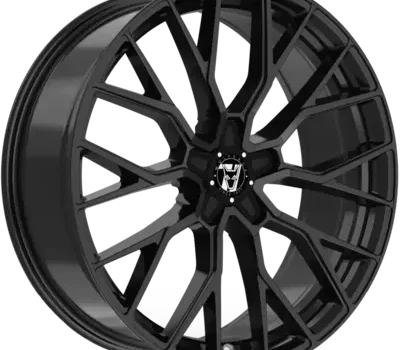
When it comes to owning a campervan or motorhome, safety and compliance with legal requirements should always be a top priority. One often overlooked yet crucial component is your vehicle’s load rated wheels. Whether you’re converting a panel van or driving a purpose-built motorhome, understanding wheel load ratings can make all the difference to both performance and legality on UK roads.
What Are Load Rated Wheels?
In simple terms, a load-rated wheel is a wheel that has been tested and certified to carry a specific maximum weight. This rating ensures the wheel can safely handle the weight of your fully loaded campervan or motorhome — including passengers, water tanks, kitchen units, gear, and everything else you’ve packed in for your adventure.
Every wheel has a manufacturer-specified load rating, usually given in kilograms (kg), which must not be exceeded under any circumstances.
Why Load Rated Wheels Matter for Campervans and Motorhomes
Safety First
Campervans and motorhomes are significantly heavier than standard passenger vehicles. Using wheels without adequate load ratings can lead to structural failure, tyre blowouts, or even catastrophic accidents — especially at motorway speeds or on uneven ground.
Legal Requirements in the UK
In the UK, it is a legal requirement that all parts of your vehicle, including the wheels, are suitable for its maximum permitted weight. Fitting wheels that don’t meet the necessary load rating can invalidate your MOT and insurance and possibly lead to fines or penalties if stopped by DVSA or police.
Insurance Compliance
Insurers often require that any modifications, including wheel upgrades, meet or exceed the original manufacturer’s specifications. If you’re involved in an accident and your wheels aren’t correctly load rated, your policy could be invalidated.
How to Work Out the Load Rating You Need
Step 1: Find Your Vehicle’s Gross Axle Weight Rating (GAWR)
- Look at your vehicle’s VIN plate (usually under the bonnet or in the door frame).
- You’ll see four numbers: the Gross Vehicle Weight (GVW) and the front and rear axle weights.
For example:
- Front axle: 1,750 kg
- Rear axle: 2,000 kg
Step 2: Divide by Number of Wheels on Each Axle
- If your vehicle has two wheels per axle (common in most campervans), divide the axle weight by 2.
Using the example above:
- Front wheel load rating needed = 1,750 ÷ 2 = 875 kg
- Rear wheel load rating needed = 2,000 ÷ 2 = 1,000 kg
This means your front wheels must be rated to at least 875 kg, and your rear wheels at 1,000 kg each.
Tip: Always choose a wheel with a load rating equal to or higher than your requirement.
Don’t Rely on Car Alloy Wheels
It’s a common mistake to fit stylish alloy wheels designed for passenger cars onto a campervan or motorhome. While they may look great, they often don’t meet the load requirements. Always check the specification or consult a specialist supplier of load-rated wheels for campervans and motorhomes.
Final Thoughts
Fitting the correct load-rated wheels is not just about ticking a legal box — it’s about peace of mind. Whether you’re navigating Cornish lanes or cruising through the Scottish Highlands, you need to know your wheels can handle the load safely.
Before your next trip:
- Check your VIN plate for axle weights.
- Verify the load rating on your wheels.
- If in doubt, consult a professional.
Investing in properly rated wheels ensures your campervan or motorhome remains safe, road-legal, and fully insured — leaving you to focus on the freedom of the open road.